
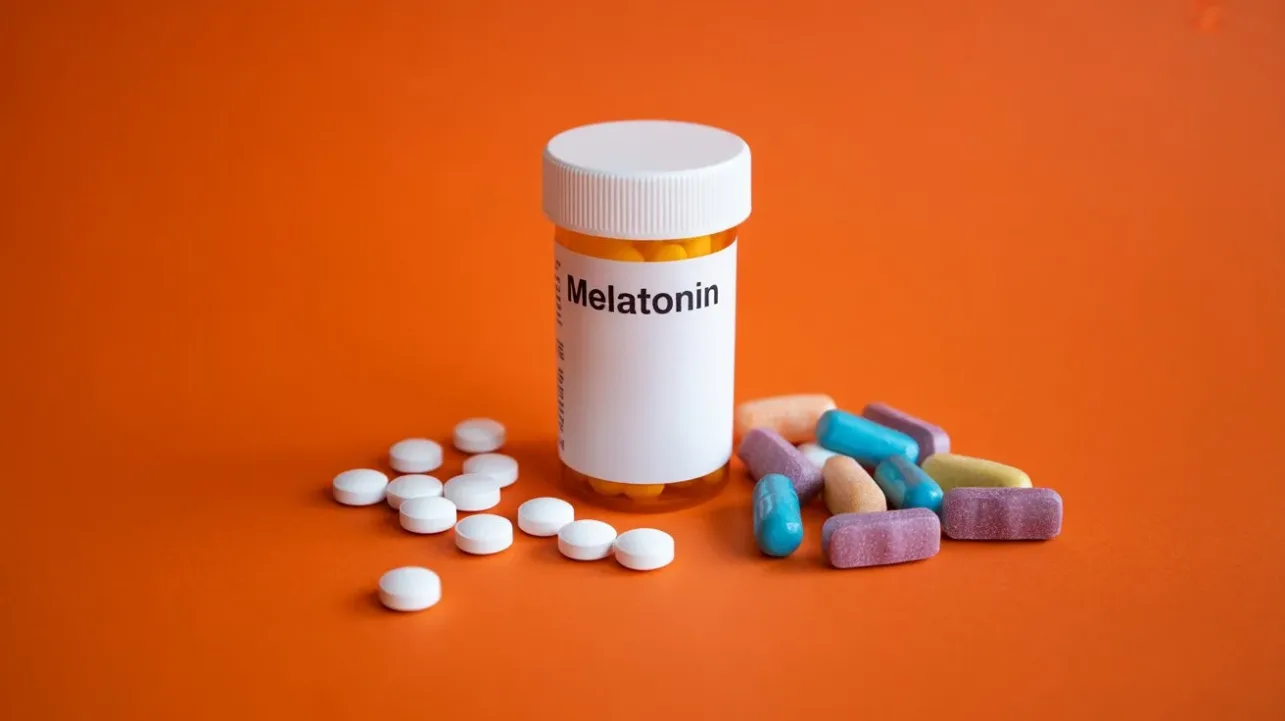
A new preliminary study presented by the American Heart Association (AHA) has raised important questions about the safety of long-term melatonin supplementation, a popular sleep aid used by millions worldwide. Analyzing five years of health data from over 130,000 adults diagnosed with chronic insomnia, researchers found that those who used melatonin supplements for a year or more had a significantly higher risk of developing heart failure, requiring hospitalization for the condition, and dying from any cause compared to non-users.
What Is Melatonin and Why Is It Popular?
Melatonin is a hormone naturally produced by the pineal gland in the brain that helps regulate the body’s sleep-wake cycle. Levels increase during the night to promote sleep and decrease during the day to help wakefulness. Synthetic melatonin supplements, chemically identical to the natural hormone, are widely available over the counter in many countries, including the United States. They are often marketed as a safe, natural remedy for insomnia, jet lag, and other sleep disorders.
Key Findings From the Study
Using data from the TriNetX Global Research Network, which includes anonymized electronic health records from patients across multiple countries, researchers classified individuals into two groups: those who had melatonin recorded in their health records and used it for at least a year (the “melatonin group”), and those with insomnia but no record of melatonin use (the “non-melatonin group”).
They found:
- People in the melatonin group had a 90% higher chance of being diagnosed with heart failure over five years (4.6% vs. 2.7% in the non-melatonin group).
- The risk of hospitalization for heart failure was about 3.5 times higher in melatonin users (19.0% vs. 6.6%).
- Mortality from any cause was nearly doubled among those taking melatonin regularly (7.8% vs. 4.3%).
These results remained consistent even after controlling for a wide range of factors such as age, sex, race, body mass index, and other health conditions. Researchers also conducted a sensitivity analysis focusing on people who had filled at least two melatonin prescriptions at least 90 days apart, confirming similar elevated risks.
What Does This Mean for Melatonin Users?
Dr. Ekenedilichukwu Nnadi, lead study author and internal medicine resident, explains, “Melatonin supplements may not be as harmless as commonly assumed. If our study is confirmed, this could affect how doctors counsel patients about sleep aids.”
However, the study also emphasizes that these findings show an association, not causation. In other words, it does not prove that melatonin supplements directly cause heart failure or death. Factors such as the severity of insomnia, presence of anxiety or depression, and use of other medications might also influence the observed risks.
Limitations and Important Considerations
- The study is based on an observational analysis of electronic health records, which means it cannot definitively establish cause and effect.
- Participants from countries with different melatonin regulations were included, and some melatonin users who took over-the-counter supplements might have been misclassified.
- Severity of insomnia and psychiatric comorbidities were not available and could confound results.
- Hospitalization data included broader diagnostic codes related to heart failure, which might not always mean a new heart failure diagnosis.
Experts Urge Caution and More Research
Marie-Pierre St-Onge, an expert in sleep and circadian research, notes, “People should be aware that melatonin, especially when taken long-term and without medical supervision, may carry risks we are only beginning to understand.”
Currently in the U.S., melatonin is not FDA-regulated as a medication but as a dietary supplement. This means its strength, purity, and dosing can vary widely between brands.
What Should You Do?
If you’re using melatonin regularly or for an extended time, consult your healthcare provider about these new findings. Alternatives such as behavioral therapies for insomnia may be safer and more effective in the long term. Also, avoid taking melatonin chronically without medical advice.
Study Not Yet Peer-Reviewed
It is important to stress that this study is preliminary and has not yet been peer-reviewed. The findings were presented in an abstract at the American Heart Association’s Scientific Sessions 2025, scheduled for November 7-10 in New Orleans. Peer review and publication in a scientific journal will provide further validation and detailed analysis.
Final Thoughts
Melatonin remains a widely used and generally well-tolerated sleep aid, especially for short-term use. However, these new findings suggest that chronic use over a year or more may carry significant cardiovascular risks, signaling the need for caution and further research. As science works to clarify its safety, individuals should make informed decisions in partnership with qualified healthcare professionals.