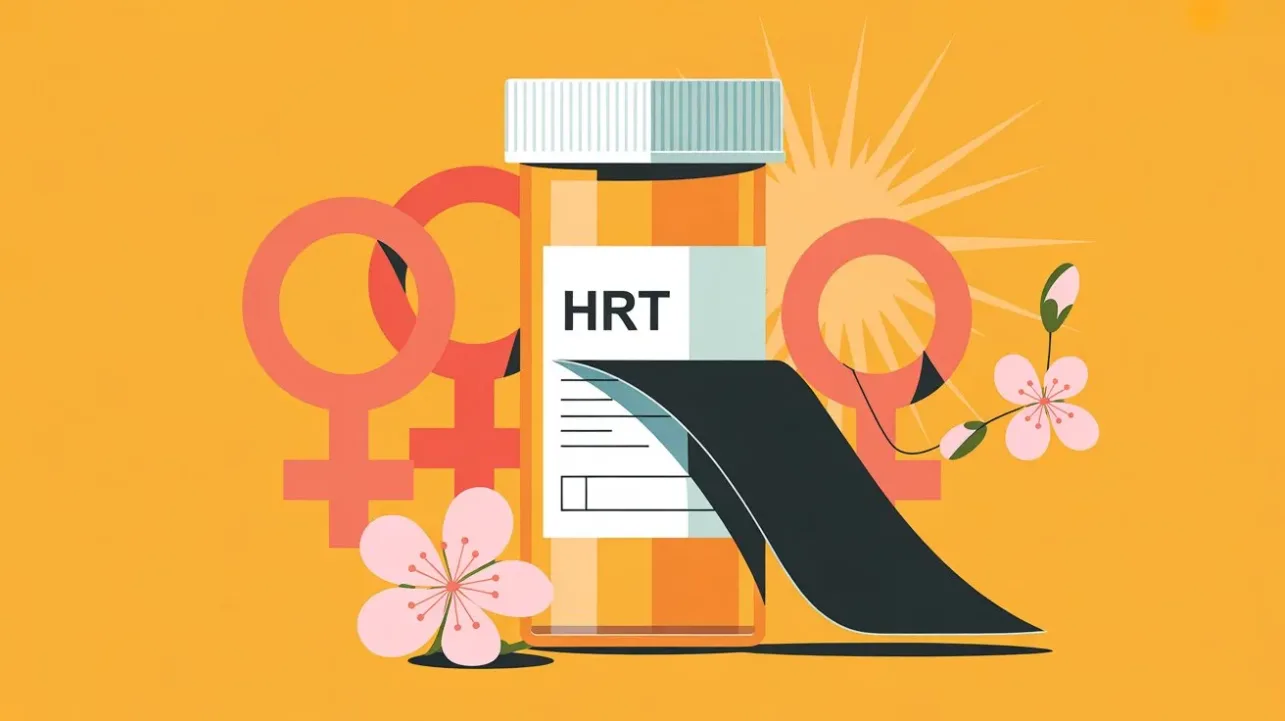
The Food and Drug Administration removed black box warnings from hormone replacement therapy medications on November 10, reversing a controversial 2003 decision that officials now acknowledge may have harmed millions of women by discouraging life-changing treatment based on flawed science.
FDA Commissioner Dr. Marty Makary announced the historic policy shift at a packed HHS press conference attended by over 200 people, including Second Lady Usha Vance and Labor Secretary Lori Chavez-DeRemer, declaring: “Today, the FDA is ending the fear-mongering that has kept women from this transformative, potentially life-saving therapy”.
The Science That Changed Everything
Black box warnings—the FDA’s most severe medication safety alert—have adorned hormone therapy products for 22 years, warning of increased risks for breast cancer, cardiovascular disease, stroke, and dementia. These warnings originated from the 2002 Women’s Health Initiative study, which found a statistically non-significant increase in breast cancer risk and sparked worldwide panic about hormone therapy.
The problem? The study’s design was fundamentally flawed for evaluating menopause treatment. Participants averaged 63 years old—over a decade past typical menopause onset—and received hormone formulations no longer commonly prescribed. “The timing of when women initiate HRT is an important nuance that has been lost and one of the design flaws of the early 2000s studies,” Makary explained in his NPR interview.
Research conducted in the decades since has completely rewritten the narrative. Women who start hormone therapy within 10 years of menopause or before age 60 experience dramatically different outcomes than older women in the original study.
Remarkable Health Benefits Revealed
The FDA’s comprehensive review of scientific literature, expert panel consultation in July, and analysis of nearly 3,000 public comments revealed profound benefits for appropriately-timed hormone therapy.
Women initiating HRT within the recommended window experience:
- 50% reduction in cardiovascular disease risk
- 35% reduction in Alzheimer’s disease risk
- 50-60% reduction in bone fractures
- Reduction in all-cause mortality
Women who began HRT during perimenopause showed a 60% reduction in breast cancer rates, along with fewer heart attacks and strokes, according to research presented at the Menopause Society’s 2025 meeting.
In a JAMA editorial co-authored by FDA officials, Makary wrote: “With the exception of antibiotics and vaccines, there may be no medication in the modern world that can enhance health outcomes for women on a population level more than hormone therapy“.
Two Decades of Unnecessary Suffering
The 2003 black box warnings triggered a catastrophic collapse in hormone therapy use, with prescriptions plummeting more than 70% as doctors became reluctant to prescribe and women too frightened to accept treatment. Makary estimated the policy may have denied therapy to 50 million women.
“The black box warning has been a major deterrent for [doctors] in prescribing it to their patients,” Dr. Nora Lansen, Chief Medical Officer of Elektra Health, told the New York Post. “Those of us who are experts in menopause care have long known that the warning against menopause hormone therapy was not warranted. We know that hormone therapy is safe for many women and does not carry the level of risk that the warning suggested“.
Millions of women endured debilitating symptoms including hot flashes, night sweats, insomnia, mood swings, weight gain, bone loss, vaginal dryness, and urinary tract infections—all because “fear replaced nuance,” as one analysis noted.
What’s Changing in Labeling
The FDA is requesting manufacturers remove boxed warnings about cardiovascular disease, breast cancer, and probable dementia from combined estrogen-progestogen products, estrogen-alone products, and other hormone therapies. The endometrial cancer warning will remain only for systemic estrogen-alone products.
The agency is also eliminating the restrictive guidance to “use the lowest effective dose for the shortest amount of time”—language that discouraged women from continuing beneficial treatment.
Instead of black box warnings, updated labels will provide nuanced risk information in package inserts, emphasizing that timing matters: starting HRT within 10 years of menopause onset or before age 60 offers the optimal benefit-risk balance.
Historic Day for Women’s Health
Health and Human Services Secretary Robert F. Kennedy Jr. framed the announcement as correcting decades of bureaucratic failure. “Today, we are standing up for every woman who has symptoms of menopause who wants to know her options and receive potentially life-changing treatment,” Kennedy stated. “For more than two decades, bad science and bureaucratic delays left women and their doctors with incomplete information about HRT. We are restoring evidence-based medicine and allowing women to control their own healthcare again“.
Dr. Steven Fleischman, president of the American College of Obstetricians and Gynecologists (ACOG), said the revised labels “will help facilitate a shared decision-making process between patients and clinicians, and remove unnecessary barriers to treating menopausal symptoms“.
New Treatment Options
Alongside the warning removal, the FDA approved two significant new products on November 10:
- The first generic version of Premarin (conjugated estrogens) in over 30 years, expected to dramatically improve affordability while maintaining identical quality, safety, and effectiveness as the brand-name drug
- A new non-hormonal treatment for moderate to severe hot flashes for women who cannot or choose not to use hormone therapy
Expert Cautions on Messaging
While welcoming the label changes, some experts caution that the FDA’s announcement may have overcorrected by overstating benefits. Scientific American noted that “experts also caution that FDA’s new announcement, in turn, exaggerated the therapies’ benefits for other conditions”.
The updated labeling represents “a meaningful shift toward more nuanced, evidence-based communication of hormone therapy risks—one that prioritizes clinical relevance, distinguishes between different formulations and patient populations, and balances the narrative to reflect both safety and therapeutic value,” Makary and co-authors wrote in JAMA.
For women experiencing menopausal symptoms, the message is clear: after 22 years of fear-based warnings, science-based conversations with healthcare providers can finally resume about whether hormone therapy is right for them.