
Scientists have uncovered a startling medical breakthrough hiding in one of nature’s most unexpected places: snake urine. Reptiles don’t just urinate in liquid form—they crystallize their waste into perfectly formed solid spheres of uric acid, and this bizarre evolutionary trick could revolutionize treatment for two of humanity’s most agonizing conditions.
The Crystal Discovery That Changes Everything
In a groundbreaking study published in the Journal of the American Chemical Society, researchers examined the solid urine of more than 20 reptile species, including ball pythons, Angolan pythons, and Madagascan tree boas. What they found was nothing short of remarkable: every single species contained tiny, textured microspheres made of uric acid, ranging from one to ten micrometers in size.
Under powerful electron microscopes, these spheres revealed themselves to be intricate networks of even smaller nanocrystals of uric acid monohydrate, stacked in delicate layers. The surface isn’t smooth—it’s chemically active, attracting ions like potassium, calcium, and magnesium. This means reptiles don’t just dispose of waste; they simultaneously balance their water and mineral systems in one elegant biological process.
Evolution’s Water-Saving Masterpiece
Reptiles evolved this crystalline excretion system as a survival adaptation for living in water-scarce environments. Instead of dissolving nitrogen-based waste products like urea, uric acid, and ammonia in water the way humans do, reptiles transform them into dry, chalky solids called “urates” that exit through a single opening called the cloaca.
The result? Reptiles conserve precious water while safely eliminating toxic waste—a design perfected over millions of years for survival in deserts and dry forests.
What’s Normal for Snakes Is Deadly for Humans
Here’s where the story takes a painful turn for humans. The exact same chemical process that keeps reptiles alive causes excruciating suffering in people.
When uric acid levels become too high in the human body, crystals collect in the joints, causing gout—a condition characterized by swelling and intense, burning pain. Or they form sharp, jagged masses in the urinary tract as kidney stones, blocking urine flow and creating one of the most agonizing medical experiences known to medicine.
Yet reptiles never suffer from these conditions. They package uric acid into smooth, harmless microspheres and push it out before it can cause any damage.
How Snake Urine Could Transform Human Medicine
Dr. Jennifer Swift of Georgetown University, who led the research, explained: “This research was really inspired by a desire to understand the ways reptiles are able to excrete this material safely, in the hopes it might inspire new approaches to disease prevention and treatment“.
The reptile discovery suggests that if humans could mimic how snakes package uric acid into smooth microspheres instead of sharp crystals, we could prevent or even eliminate painful crystal buildup altogether.
Researchers are now exploring multiple revolutionary approaches:
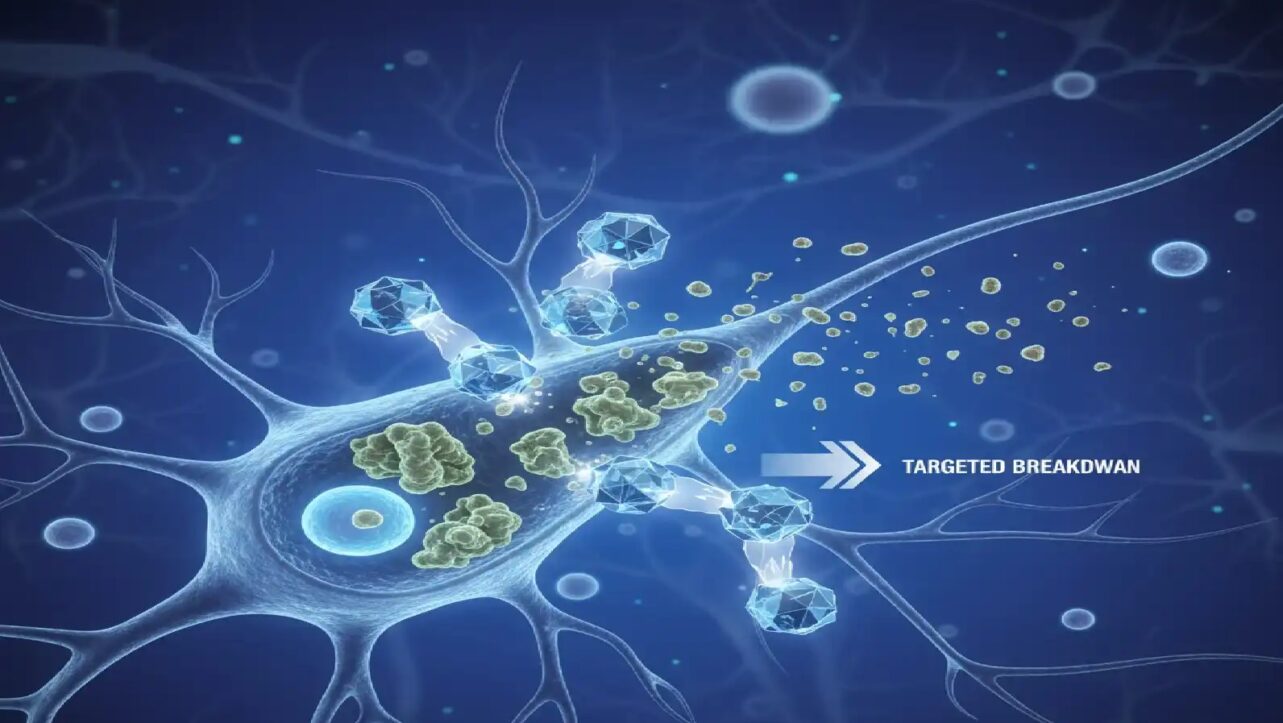
Molecular engineering: Scientists believe they can create synthetic molecules that encourage human uric acid to form harmless microstructures rather than jagged, pain-inducing crystals.
Urine chemistry modification: Another strategy involves adjusting human urine chemistry to replicate the stable, water-conserving environment found in reptiles, fundamentally changing how our bodies handle uric acid.
Ammonia neutralization: The research team discovered that reptiles were actually recycling uric acid crystals to neutralize ammonia—another toxic waste product—transforming it into harmless dust. This protective mechanism may also exist in humans but remains dormant.
A Hidden Bonus Discovery
Beyond the microsphere formation, scientists found that these uric acid crystals don’t stay static forever. Heat, humidity, and time can transform them into different versions—uric acid dihydrate or anhydrous uric acid—helping reptiles continuously adapt to changing environmental conditions.
This dynamic chemistry responding to life’s conditions could offer insights into developing treatments that adjust to individual patient needs and conditions.
From Bizarre to Breakthrough
If you’ve ever cleaned up after a pet snake, you’ve probably noticed the strange chalky white substance they leave behind and wondered what it was. That seemingly insignificant biological quirk may hold the key to ending the suffering of millions worldwide who battle gout and kidney stones.
This could lead to an entirely new class of kidney stone treatments that don’t just dissolve uric acid but reshape it into forms the body can handle safely—mimicking a survival strategy that evolution perfected in reptiles millions of years ago.
While further studies are needed before these insights can be translated into human therapies, the implications are staggering. What was once dismissed as weird reptile waste could become the foundation for revolutionary treatments that spare countless people from debilitating pain.