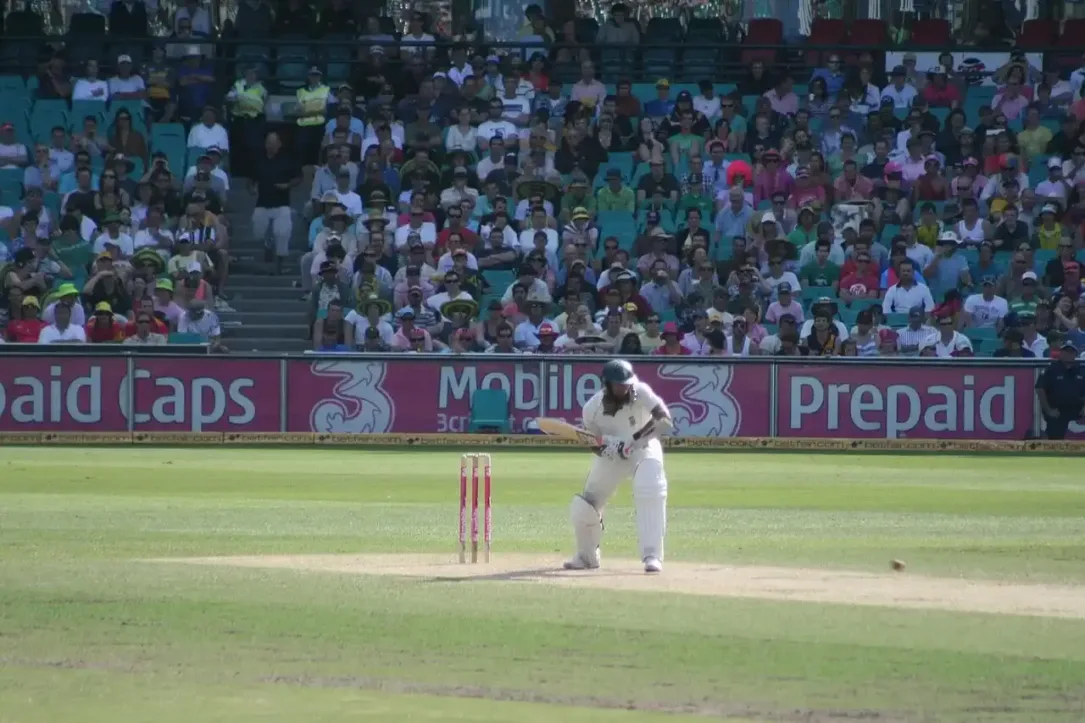
Sean Williams’ recent admission of drug addiction and subsequent entry into rehabilitation has sent shockwaves through the cricketing world, but the Zimbabwe veteran is far from alone in battling substance abuse. Behind cricket’s glamorous facade lies a troubling pattern of addiction and mental health struggles that has claimed careers and, in some cases, nearly destroyed lives.
Why Cricketers Are at High Risk
Research published in the BMJ Open Sport & Exercise Medicine journal reveals that cricketers face significantly elevated risks for distress, anxiety, depression, and adverse alcohol use compared to the general population. The pressures of international competition, constant travel, extended periods away from family, and intense public scrutiny create a perfect storm for mental health crises that often manifest as substance abuse.
Studies indicate that cricketers are more likely to experience anxiety and depressive symptoms than ordinary citizens, with suicide rates among Test cricketers proposed to be alarmingly high. These mental health challenges frequently drive players toward drugs and alcohol as coping mechanisms.
Legendary Names, Dark Struggles
The list of cricket icons who have battled substance abuse reads like a who’s who of the sport’s greatest talents.
Wasim Akram, arguably Pakistan’s greatest cricketer, confessed in his memoir that his cocaine addiction began innocently at a party in England but quickly spiraled out of control. He became heavily dependent on the drug to function daily, with his first wife Huma discovering cocaine in his wallet. After a failed rehabilitation attempt with a fraudulent doctor, Akram only managed to quit after Huma’s tragic death in 2009.
Brendan Taylor, Williams’ Zimbabwe teammate, recently returned to international cricket after serving a 3.5-year ban following a failed drug test and match-fixing scandal. Taylor admitted to using cocaine “quite heavily during periods out of international cricket” starting around 2007-2008, while simultaneously battling severe alcoholism. “I was living a double life,” Taylor confessed, describing his addiction as “cunning and baffling”.
Performance Enhancers and Recreational Drugs
The spectrum of substance abuse in cricket spans both performance-enhancing drugs and recreational substances.
Shane Warne, one of cricket’s greatest leg-spinners, received a one-year ban in 2003 after testing positive for a banned diuretic just before the Cricket World Cup. Mohammad Asif and Shoaib Akhtar, both Pakistani fast bowlers, were suspended in 2006 after testing positive for nandrolone. Asif later made headlines when authorities detained him in Dubai for carrying opium.
Alcohol’s Devastating Grip
Alcohol abuse has proven equally destructive for numerous cricket stars.
Jesse Ryder, the explosive New Zealand batsman, saw his promising career repeatedly interrupted by alcohol-related struggles. England’s Andrew Flintoff, hero of the 2005 Ashes, battled alcohol during stressful phases of his career, later opening up about using it to cope with emotional struggles.
South African batting genius Herschelle Gibbs spoke candidly about alcohol issues affecting his personal and professional life. India’s Vinod Kambli, once considered among the nation’s brightest talents, acknowledged battling alcohol addiction amid public pressure and intense scrutiny.
The Breaking Point
For many cricketers, the realization that they need help comes at their lowest moment.
Brendan Taylor described the period before entering rehabilitation as an “absolute pressure cooker” where “the walls were closing in”. He was “just totally defeated” when facing both an ICC ban and the consequences of his failed drug test. His wife Kelly initially didn’t believe the extent of his addiction, knowing only “5-10% of what I was really getting up to”.
Three days before the ICC announced his ban, Taylor checked himself into a 90-day rehabilitation program in Zimbabwe’s Eastern Highlands, surrendering his phone for the first two weeks to focus entirely on recovery.
The Path Forward
Mental health experts emphasize that these high-profile cases underscore the critical importance of support systems, mental health awareness, and balanced lifestyles in modern sport. When Ben Stokes, Glenn Maxwell, Marcus Trescothick, and other cricketers openly discussed their mental health struggles, they helped destigmatize seeking professional help.
Zimbabwe Cricket, despite ending Sean Williams’ international career, acknowledged his two-decade contribution and wished him “strength in his recovery”. This balanced approach—maintaining professional standards while showing compassion—represents a shift in how cricket boards handle substance abuse cases.
As Williams now embarks on his rehabilitation journey, his story joins a growing library of cautionary tales that reveal the immense psychological pressures lurking beneath cricket’s polished exterior. The question remains whether cricket’s governing bodies will implement comprehensive mental health and addiction prevention programs before more careers—and lives—are lost to this hidden crisis.