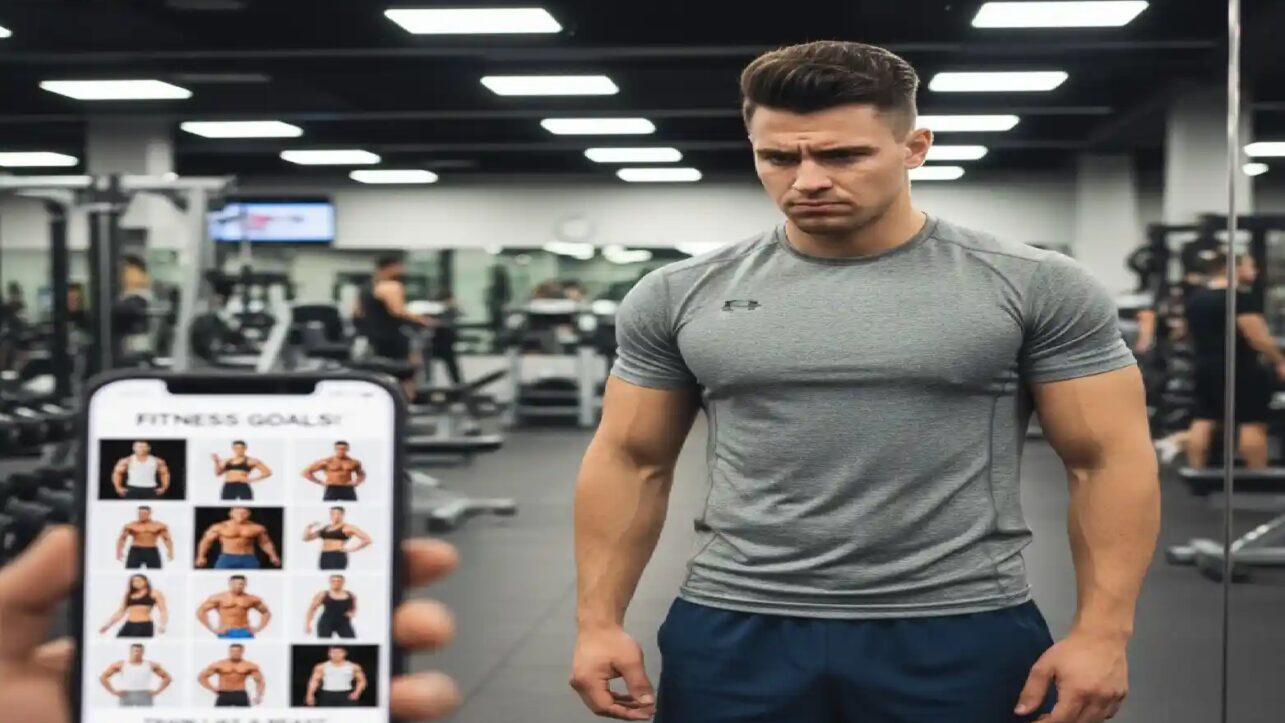
A disturbing pattern is emerging across gyms worldwide: seemingly fit young men are developing life-threatening obsessions with building muscle mass, driven by relentless exposure to idealized bodies on Instagram, TikTok, and YouTube. This condition, known as muscle dysmorphia or “vigorexia,” is no longer a niche concern but a growing clinical crisis that combines body image distortion with self-destructive behaviors.
What is Muscle Dysmorphia?
Muscle dysmorphia, also called the Adonis complex, is characterized by a distorted body perception and pathological obsession with increasing muscle mass and achieving an idealized physique. Unlike typical fitness enthusiasts, individuals with this disorder see themselves as small and weak even when objectively muscular, leading to compulsive exercise routines, extreme dietary restrictions, and dangerous anabolic steroid use.
Clinical psychologist Ben Buchanan describes muscle dysmorphia as “on par with anorexia in women,” noting it represents an obsessive preoccupation with changing one’s body to make it look more masculine, bigger, fitter, and stronger. In Spain, approximately 10% of men are thought to meet diagnostic criteria, though the condition is frequently overlooked because it’s not classified as an independent disorder.
Social Media: The Primary Driver
A groundbreaking 2025 study of 540 young German athletes published in a peer-reviewed journal found that intensive social media exposure substantially heightens muscle dysmorphia risk. Researchers using machine-learning interpretation identified three primary drivers: daily social media time, frequency of comparison with fitness influencers, and reinforcement-seeking behavior like chasing “likes”.
Participants who spent 60 minutes or more daily on social platforms showed significantly higher muscle dysmorphia scores compared to those with less exposure. The strongest correlation emerged between perceived social media-induced body dissatisfaction and felt pressure to attain a specific body composition.
A separate study involving young adults from Spain and Venezuela found that higher BMI, frequent Instagram use, and food moralization were associated with symptoms of body dysmorphia. Constant exposure to “fitness lifestyle” content and hypermuscular bodies on platforms like Instagram, TikTok, and YouTube increases the risk of developing muscle dysmorphia symptoms.
The Algorithm Problem
Social media algorithms create reinforcing feedback loops that prioritize appearance-based content. When users pause on fitness routines, transformation videos, or cosmetic procedure reveals—even once—their feeds become flooded with similar content. This creates a distorted perception of what’s normal or average, fueling body dissatisfaction and comparison.
Making matters worse, filters and editing tools on TikTok, Instagram, and Snapchat are increasingly invisible. Teens and young adults scroll past dozens of altered bodies daily without realizing it, leading natural, unedited appearances to feel flawed by comparison.
Dangerous Consequences
The physical and mental health implications are severe. A 2025 meta-analysis published in Behavioural Sciences found that anabolic steroid users reported significantly more muscle dysmorphia symptoms than non-users. These substances carry serious metabolic risks including liver damage, cardiovascular disease, hormonal imbalances, and psychiatric complications.
Beyond steroid use, affected individuals follow rigid low-calorie, high-protein diets and engage in compulsive strength training that endangers both physical and mental health. Those deepest in the disorder avoid social gatherings where they can’t count calories and reduce work or school commitments to accommodate grueling gym schedules.
Studies published in the European Eating Disorders Review and British Journal of Nursing have highlighted how these behaviors increase pressure on primary care and mental health services.
Not Just a Male Problem
While muscle dysmorphia primarily affects men, recent research shows it’s increasingly affecting women as well. A 2019 survey of 149 boys aged 11-18 found that almost one-third were dissatisfied with their body shapes, with athletes more likely to be dissatisfied than non-athletes. Most wanted to “increase muscle,” especially in the chest, arms, and abs.
Warning Signs to Watch For
Key indicators of muscle dysmorphia include:
- Obsessive thoughts about not being muscular enough despite objective muscle mass
- Compulsive mirror checking or complete mirror avoidance
- Rigid exercise routines that cannot be missed without extreme anxiety
- Extreme dietary restrictions focused on high protein and low calories
- Social isolation to maintain workout schedules or avoid situations where body is visible
- Use of anabolic steroids or excessive supplements
- Constant comparison with fitness influencers online
What Can Be Done?
Researchers recommend interventions that combine social media literacy training with sport-specific psychoeducation to mitigate maladaptive comparison cycles and prevent downstream eating disorder pathology. Early detection by healthcare providers, especially nurses in primary care settings, is essential to prevent serious physical and mental harm.
Experts suggest that transparency from celebrities and influencers about their use of steroids or weight-loss medications could help counter misinformation. Many young individuals admire these figures, and openness about how they achieve their physiques could reduce unrealistic expectations.
For individuals concerned about their relationship with fitness and body image, limiting social media time, unfollowing fitness influencers who trigger comparison, and seeking professional support are critical first steps.