
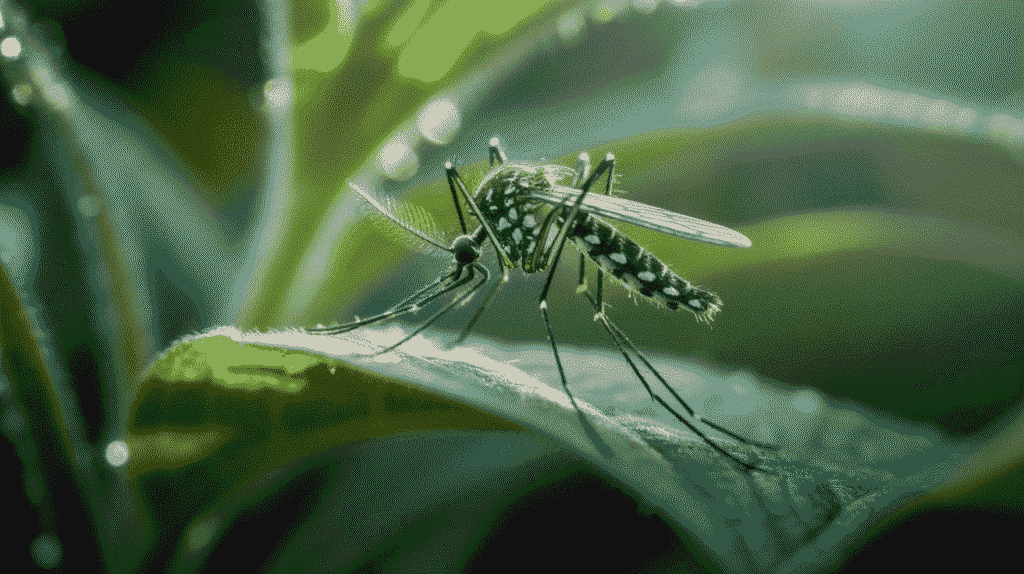
The World Health Organization has issued a global alert as chikungunya cases surge worldwide, with 445,271 suspected and confirmed cases and 155 deaths reported from 40 countries between January and September 2025. This represents a significant resurgence of the mosquito-borne viral disease, affecting regions that have not recorded notable increases in recent years.
Americas Bear Highest Burden
The Region of the Americas has reported 228,591 suspected cases and 115 deaths from 14 countries as of September 20, 2025, accounting for more than 51% of all reported cases globally. South America has been particularly impacted, with 97% of all cases in the region occurring in that subregion, marking a concentrated outbreak pattern.
Brazil dominates the regional burden, accounting for 96% of all cases and deaths in the Americas. The country reported 96,159 confirmed cases and 111 deaths as of September 20, with 55,180 laboratory-confirmed cases through epidemiological week 33. Bolivia has emerged as the second-most affected country with 5,372 total cases and 4 deaths, with 73% laboratory-confirmed and 99% concentrated in Santa Cruz department. Cuba reported 34 confirmed cases with no deaths, while several other South American nations including Argentina, Paraguay, and Peru have reported smaller outbreaks.
The Pan American Health Organization has emphasized that this represents a shift in transmission patterns, with concentrated outbreaks in specific geographical areas rather than widespread regional distribution seen in previous years.
United States Reports Travel-Associated Cases Only
The United States has reported 88 travel-associated chikungunya cases as of September 30, 2025, with no locally acquired cases reported. This marks a significant decrease from the 199 travel-associated cases confirmed in 2024. The CDC reports that locally acquired chikungunya cases have not been reported from U.S. states or territories since 2019, when the last domestic transmission occurred.
Most U.S. cases in 2025 acquired the infection while traveling to outbreak regions including Bolivia, China, Kenya, Madagascar, Mauritius, France (Mayotte and Réunion), Somalia, and Sri Lanka, according to CDC travel health notices. In May 2025, the FDA and CDC recommended a pause in the use of the live-attenuated chikungunya vaccine (IXCHIQ) in older persons following reports of several severe adverse events. Despite this, two chikungunya vaccines remain commercially available at certified travel clinics and pharmacies across the United States for travelers visiting outbreak areas.
Europe Experiences Unprecedented Spread
The European Region has reported 56,456 cases and 40 deaths, with France and Italy experiencing active outbreaks. France recorded 633 locally acquired cases between May and September 2025, the highest number since 2010. For the first time ever, locally acquired cases were reported in the departments of Grand Est, Bourgogne-Franche-Comte, and Nouvelle-Aquitaine. Italy reported 364 confirmed cases (323 locally acquired and 41 travel-associated) between January and September 2025, marking the highest number of locally acquired cases since 2017.
Asia Sees Continued Transmission
The increased incidence in 2025 is linked to the massive outbreak in Reunion and the rest of the Indian Ocean region, according to WHO. Reunion alone reported 54,517 confirmed cases and 40 deaths between January and September 14, 2025, though a decline in newly reported cases has been observed since April 26.
India reported 4,995 confirmed chikungunya cases through August 2025 according to the National Center for Vector Borne Diseases Control, with major contributions from Karnataka (729 confirmed cases), Maharashtra (2,094 confirmed cases), and Madhya Pradesh (301 confirmed cases). Meanwhile, Sri Lanka is battling widespread cases with unique genetic findings that help the virus spread more easily and evade immune system detection. Outbreaks in Mauritius and Mayotte have also contributed to the regional surge.
Pakistan has emerged as a significant contributor in Asia, reporting 201 cases by February 2025. Karachi experienced a sharp increase in infections since May 2024, with major government hospitals reporting between 500 and 750 suspected cases daily. The Ministry of National Health Services has issued nationwide advisories emphasizing preventive and control measures to curb infections. .
Risk Factors and Future Outlook
WHO warns that the risk of further geographical spread to new areas remains significant due to limited population immunity, favorable climate conditions for mosquito vector establishment, increased human movement and trade, and gaps in public health systems. BlueDot analysis found that global travel advisories for chikungunya have not kept pace with increasing yearly cases, and approximately five billion people are now at risk across 120 affected countries. The disease spread is accelerated by climate change creating expanded habitats for Aedes mosquitoes, the primary vectors.
Public Health Response
The WHO continues to urge all countries to strengthen their healthcare and laboratory systems to facilitate rapid detection, timely reporting, and effective response to chikungunya outbreaks. Countries vary significantly in their capacity to detect and report chikungunya and other vector-borne diseases such as dengue, malaria, and zika. Many outbreaks remain undetected and are reported retrospectively, meaning real-time epidemiological data necessary for effective public health responses are often lacking.
The variation in case trends among reporting countries makes it difficult to classify the current situation as a uniform global increase, according to WHO. However, the simultaneous presence of chikungunya and other arboviruses like Oropouche virus increases the risk of outbreaks, severe complications, and fatalities among vulnerable populations. PAHO has called for reinforcing surveillance, clinical management, and vector control measures across affected regions.